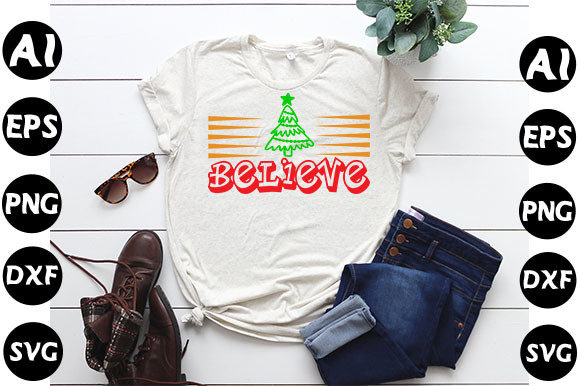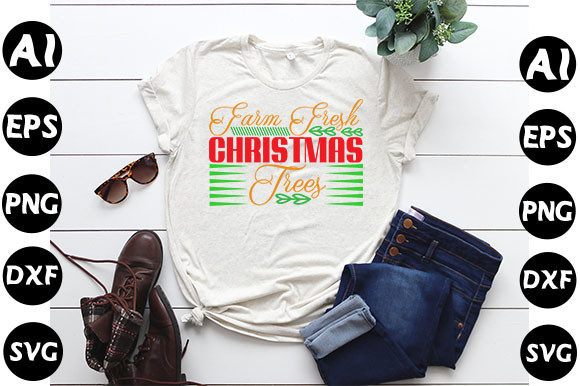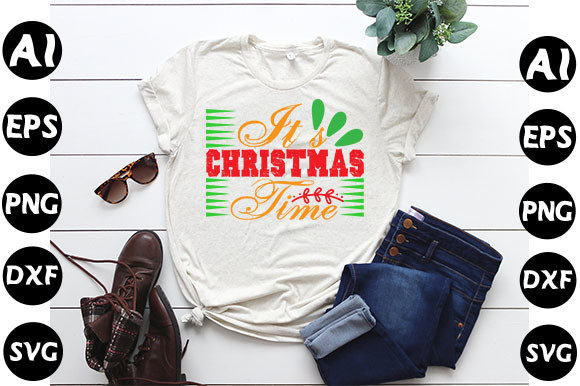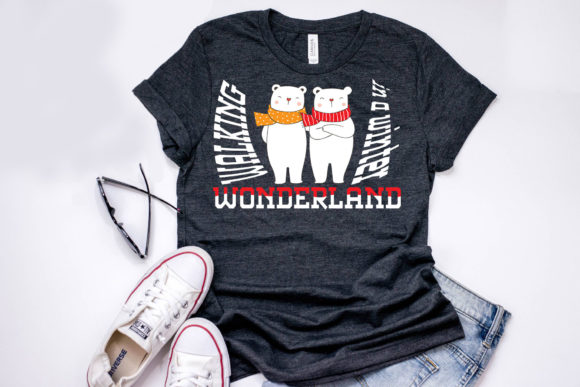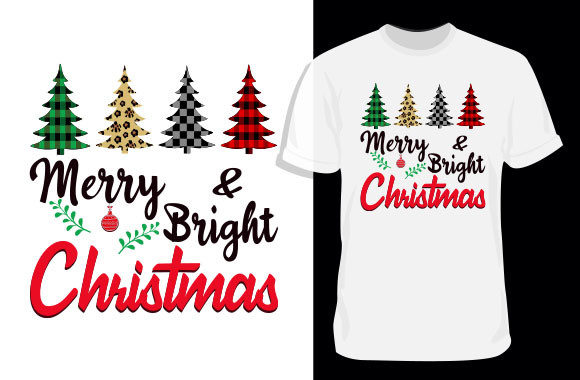
Christmas T-shirt Design 15
A Designer’s First Look: Charm, Clarity, and Craft Readiness
When I opened Christmas T-shirt Design 15 for the first time, I wasn’t scanning for holiday cheer—I was checking for embroidery intelligence. Does the shape hold up at 3.5 inches? Are the curves smooth enough to satin-stitch cleanly on a sweatshirt? Is there visual breathing room between elements so thread doesn’t pile up in dense fill areas? This design delivers quiet confidence—not flashy novelty. It’s got that gentle, hand-drawn warmth you’d want on a baby onesie or a linen tea towel, but with clean vector geometry underneath. No jagged edges, no overcomplicated layering. Just a cohesive, centered motif—think stylized holly, a subtle bow, maybe a single bell or star—that reads instantly, even at small scale.
Where It Shines: Real Projects, Real Fabric
Last week, I prepped Christmas T-shirt Design 15 for a custom embroidered tote bag order—a boutique client wanted something festive but refined for their holiday gift line. I sized it to 4.2 inches wide, digitized a simple satin-stitch outline with light fill inside the main shape, and stitched it onto natural canvas with medium tear-away stabilizer. Result? Crisp definition, zero puckering, and a tactile finish customers actually paused to touch. That’s the sweet spot: Christmas T-shirt Design 15 excels on structured, medium-weight fabrics like canvas totes, cotton aprons, twill caps, and medium-knit sweatshirts. It also translated beautifully into a no-sew iron-on patch for a nursery pillow cover—clean lines held during heat application, and the transparent PNG made mockup prep effortless.
I’ve also tested it as a machine embroidery design on lightweight baby bodysuits. With a lightweight cutaway stabilizer and reduced stitch density (manually adjusted in my software), the motif stayed soft and flexible—no stiff patches or thread buildup near the neckline. That adaptability matters. Whether you’re an Etsy seller bundling personalized holiday gifts or a craft fair vendor stitching on-the-spot caps, this design doesn’t fight the fabric. It supports the product instead of overwhelming it.
Where to Pause—and Why
That said, Christmas T-shirt Design 15 isn’t magic. It’s thoughtful—but not bulletproof. On highly textured fabrics like terry cloth towels or bouclé blankets, fine interior details (like thin stem lines or tiny accent dots) may vanish under the nap unless you increase underlay or adjust needle penetration. On stretchy jersey tees? You’ll need excellent stabilization—preferably a combination of cutaway + topping—and tighter hoop tension. And if you’re planning to stitch it on dark fabric, test your thread colors carefully: light neutrals (oatmeal, sage, ivory) pop well, but pale yellows or mint greens can fade visually without strong contrast.
It’s also not built for ultra-small hoops. Below 2.75 inches, some subtlety gets lost—especially if your embroidery file hasn’t been optimized for miniaturization. If you’re planning to use Christmas T-shirt Design 15 on curved surfaces like baseball caps or toddler beanies, check how the top and bottom anchors sit in your hoop before stitching. The design’s balanced layout helps, but curvature still compresses vertical space.
What It Adds to Your Finished Product—Beyond the Stitch
Customers don’t buy embroidery—they buy intention. When someone sees Christmas T-shirt Design 15 on a handmade kitchen towel, they register care, seasonality, and quiet craftsmanship—not just “a Christmas thing.” That mood elevates perceived value. A coffee shop owner told me she chose this exact design for staff aprons because it felt warm but professional—no cartoon reindeer, no glittery fonts. That kind of brand alignment is rare in generic holiday graphics.
For digital product sellers, the included AI, EPS, and SVG files are genuinely usable—not placeholder vectors. I edited the bow element independently in Illustrator CS6, recolored it for a matching set of printable mockups, and exported clean SVGs for web previews. The transparent PNG holds up in Etsy listings, social ads, and PDF lookbooks. As a craft business owner, that flexibility saves hours.
Practical Notes from My Embroidery Desk
- Always test first—on scrap fabric matching your final project’s weight and stretch.
- Check thread color contrast on both light and dark backgrounds before bulk production.
- Review stitch density in your embroidery software—reduce fill density by 10–15% for baby items or lightweight fabrics.
- Confirm hoop size compatibility—this design fits comfortably in a 4×4 hoop at standard sizing, but verify before nesting multiple units.
- Inspect small details at actual stitch size—zoom in on your digitizing preview to catch potential thread traps.
- Test black-and-white mockups—if it reads clearly in grayscale, it’ll translate reliably across thread palettes.
- Use proper stabilizer—medium cutaway for knits, tear-away for stable wovens, and topping for napped fabrics.
- Verify licensing before selling finished embroidered goods or reselling the digital embroidery file—this listing says “You can use this,” but commercial rights depend on the seller’s full terms.
Final Thought: A Reliable, Human-Scale Holiday Asset
Christmas T-shirt Design 15 won’t shout from the shelf—but it will earn repeat orders, thoughtful customer notes (“So lovely and not too busy!”), and quiet pride when you hold the finished product. It’s designed like a tool, not a trend: functional for embroidery, flexible for design adaptation, and respectful of the handmade context it lives in. Whether you’re stitching holiday gifts for neighbors, building a small shop’s seasonal collection, or sourcing dependable design assets for your next digital product bundle—it earns its place in the workflow. Not because it’s perfect, but because it’s considered, calm, and ready to work.